On the way to RAF Wyton for the Commemorations of 16/17 December 1943. Will be posting tomorrow on the new exhibition and on the day’s events.
JENNIE MACK GRAY
Pathfinder Aircrew, their Friends, their Families, and the World they Knew
On the way to RAF Wyton for the Commemorations of 16/17 December 1943. Will be posting tomorrow on the new exhibition and on the day’s events.
JENNIE MACK GRAY
For the next seven days we will be posting about aspects of the terrible night of 16/17 December 1943. There will be a commemoration at RAF Wyton next Sunday, details of which have already been given on this website, but also at Thorpe Camp, kindly organised by Mark Howard of the 97 Squadron Association. This will consist of a wreath-laying at 1pm at the propeller memorial at Thorpe Camp, as the 97 (Straits Settlements) Squadron memorial is in the process of refurbishment during the winter. 97 Squadron, of course, suffered the greatest losses of any squadron that night. For details of this event, please see the 97 Squadron Association website.
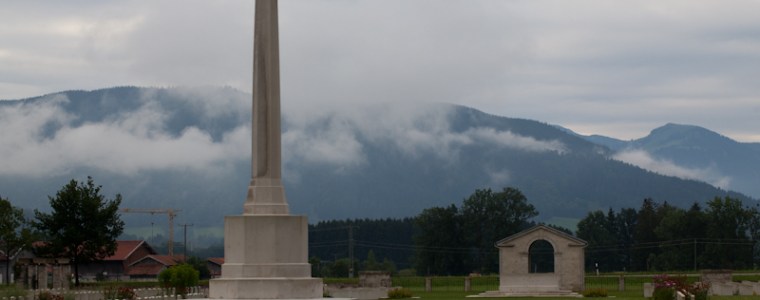
Purely by coincidence, this post also concerns the crew of a pilot named Baker. Valentine Baker and his crew were lost on 11 August 1943. Those who were killed are buried at Durnbach Cemetery in Bavaria (Bayern), see the beautiful image here which is copyright of the New Zealand War Graves Project.
The Valentine Baker crew have always been a memorable crew, firstly because of their pilot’s Christian name and the fact that he was only 20 years old, and secondly because Valentine’s sister, a Wren, went to RAF Station Bourn after he went missing to try to find out more news of her brother. The aircrew there felt desperately sorry for her but could add nothing to the information already given to the family by the Air Ministry. (Information courtesy of Arthur Spencer.)
Unfortunately we have never been able to obtain any other information about this crew. This year we have been looking for information about a specific member of the crew. His name was William Johnson Vaughan, and he was the Flight Engineer. He was a Halton brat in 1928, and and at Southern Rhodesian Air Force Station Cranborne from March 1940, one of the very first intake of officers, NCOs and ORs. He was at St Athans in 1942, both at the School of Technical Training and at 1654 Conversion Unit which was equipped with Manchesters and Lancasters. He joined 97 Squadron on 27 March 1943.
His son David would very much like a photograph of his father. If anyone can help, please let us know.
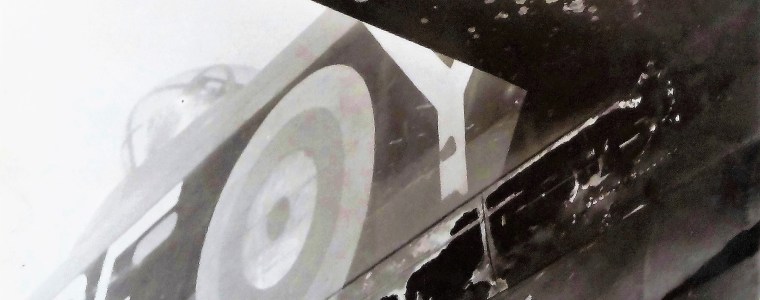
The featured image on this post is of battle damage to Y-York (or Y-Yorker), Ernest Deverill’s aircraft on the Augsburg operation of 17 April 1942. Y-York took a terrible pounding. The laconic report on the aircraft’s battle damage given by Ernest and the crew once they had got safely back to base was:
Very heavy flak and light predicted flak and S.A. tracer. Aircraft caught fire on starboard side of fuselage and bomb bay but was extinguished by the efforts of the Wireless Operator and Mid Gunner. Both mid and rear turrets u/s from target. Port outer engine was u/s and feathered on leaving but was restarted before reaching coast.
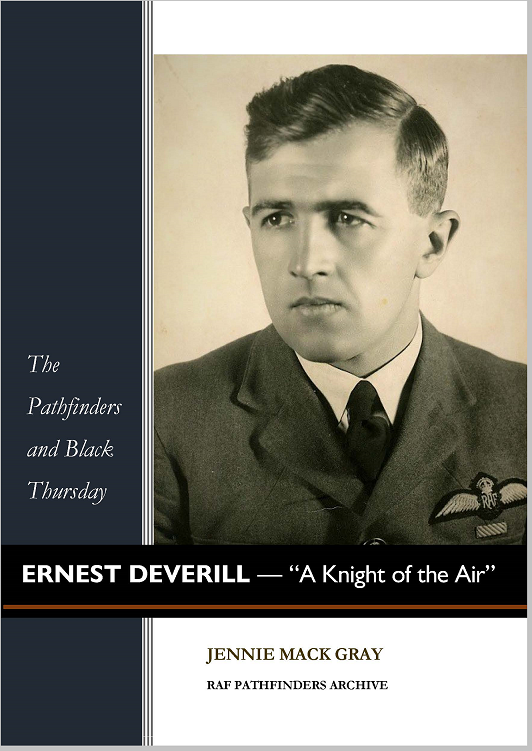
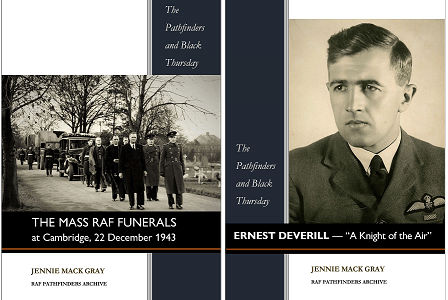
This photograph and many others appear in our publication: ERNEST DEVERILL – “A KNIGHT OF THE AIR”, which is a brief biography of the outstanding pilot who won the DFM, the DFC twice, and the Air Force Cross.
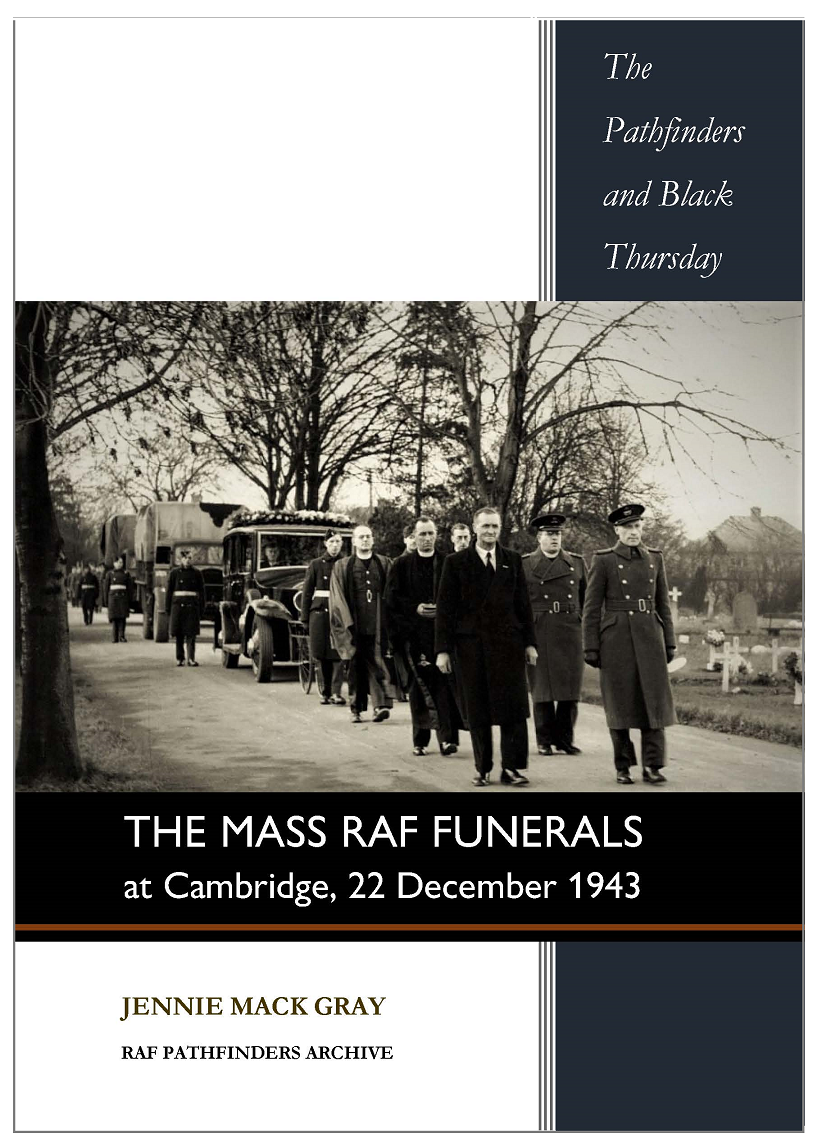
To buy it or the companion booklet, THE MASS RAF FUNERALS AT CAMBRIDGE, 22 DECEMBER 1943, see Black Thursday Booklets
The night of 16/17 December 1943, afterwards known as Black Thursday, saw the worst RAF bad weather losses of the whole war. A heavy fog caused severe problems for home-coming aircraft and there were multiple fatal crashes. Amongst the dead were 50 Pathfinder aircrew.
Our two commemorative booklets for the 75th Anniversary of 16/17 December 1943 are published today. Together they create a unforgettably vivid picture of the dramatic events of that night which led to so many deaths in the Pathfinders and Bomber Command.
All profits from the sales go towards the RAF PATHFINDERS ARCHIVE and in particular to the funding of the DEVERILL COLLECTION, which we bought with the benefit of supporter-loans last year.
For full details of pricing and how to buy these publications: 75th Anniversary Black Thursday Publications
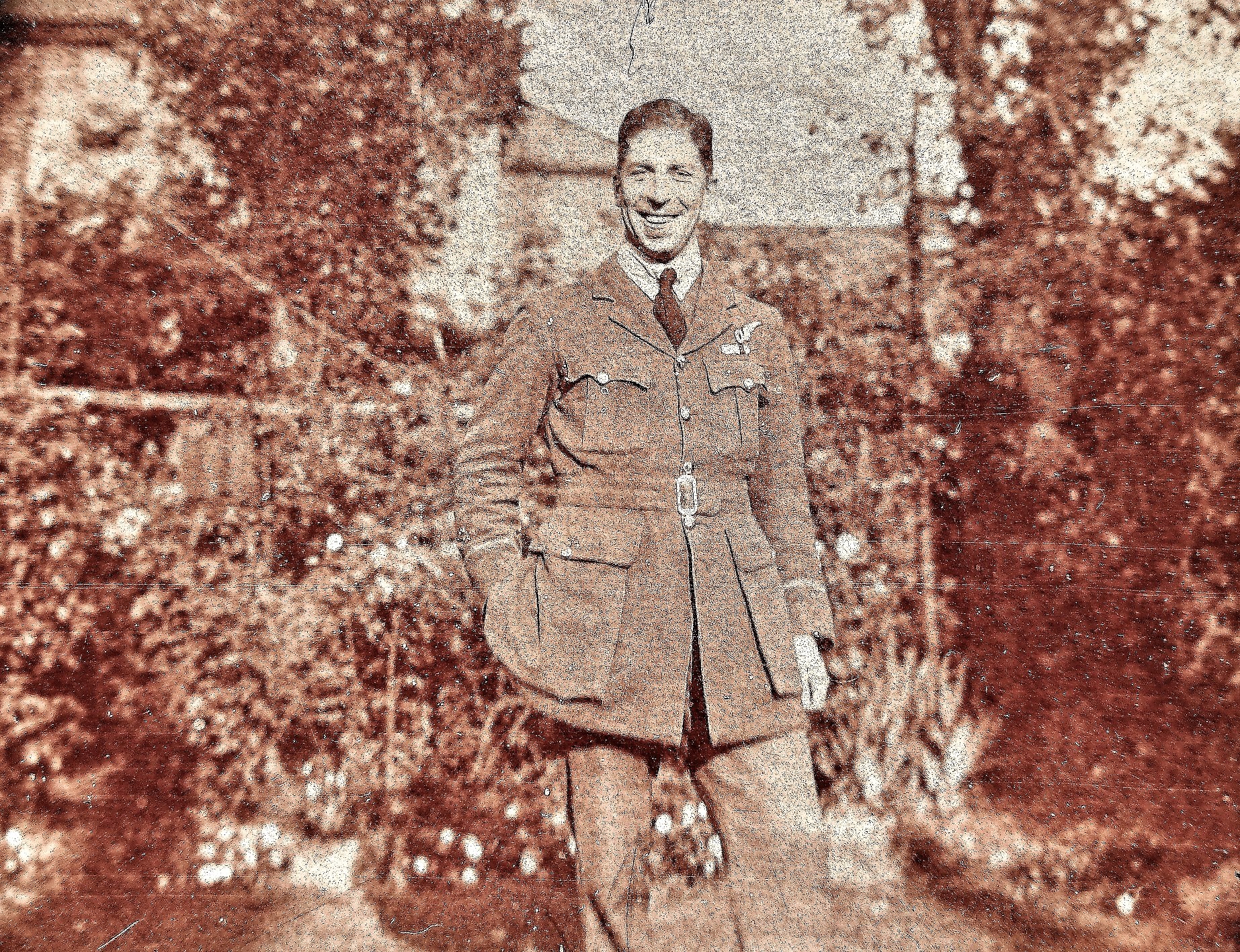
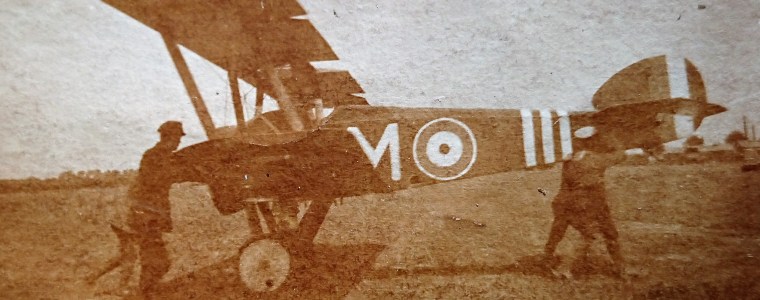
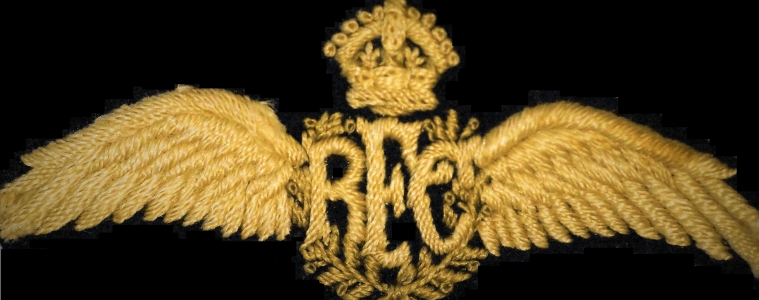
Brought round by my neighbour Susan this morning – her great-uncle Lawrence Williamson was first in the Lancers and then in the RFC as an Observer (the ‘O’ on his tunic can be clearly seen). He survived the war and lived to be 92 years of age.
One hundred year old photographs looking a little battered!
JENNIE MACK GRAY
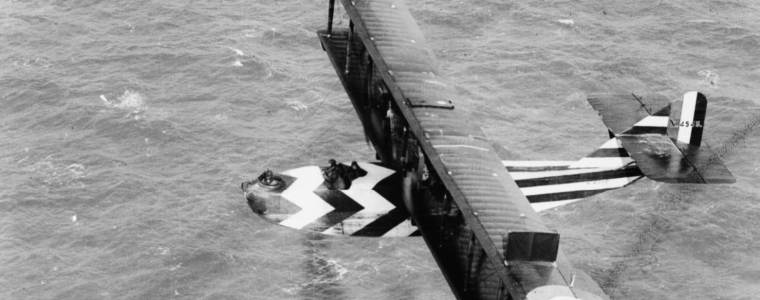
Re: our commemorative post on the RFC and the RAF in WWII, we are grateful to have been reminded about the First World War contribution made by the men of the Royal Naval Air Service (RNAS).
The RNAS was under the control of the Admiralty for its (not quite) four year existence, which ended on 1 April 1918 when it was merged with the British Army’s Royal Flying Corps to form the RAF.
The merge was recommended by the much respected South African soldier-statesman Jan Smuts, who foretold the need for an independent air force specifically to deal with the new dangers and tactics of aerial warfare. Smuts believed that this new air force should not be tied to the tactical needs of the Army and the Navy.
His plan was adopted and implemented with remarkable speed. However, because both the Army and the Navy resented their flying wings being taken away from them, the new Service, the RAF (which was often referred to as the Junior Service), had a difficult first few years. Even during the Second World War, the old complaints were being made about the RAF’s independence. But that’s another subject for another day …
With Remembrance Sunday tomorrow falling exactly on the 100th Anniversary of the end of the First World War, we remember all the pioneering airmen of those days of conflict, and those who followed after them in the Second World War.
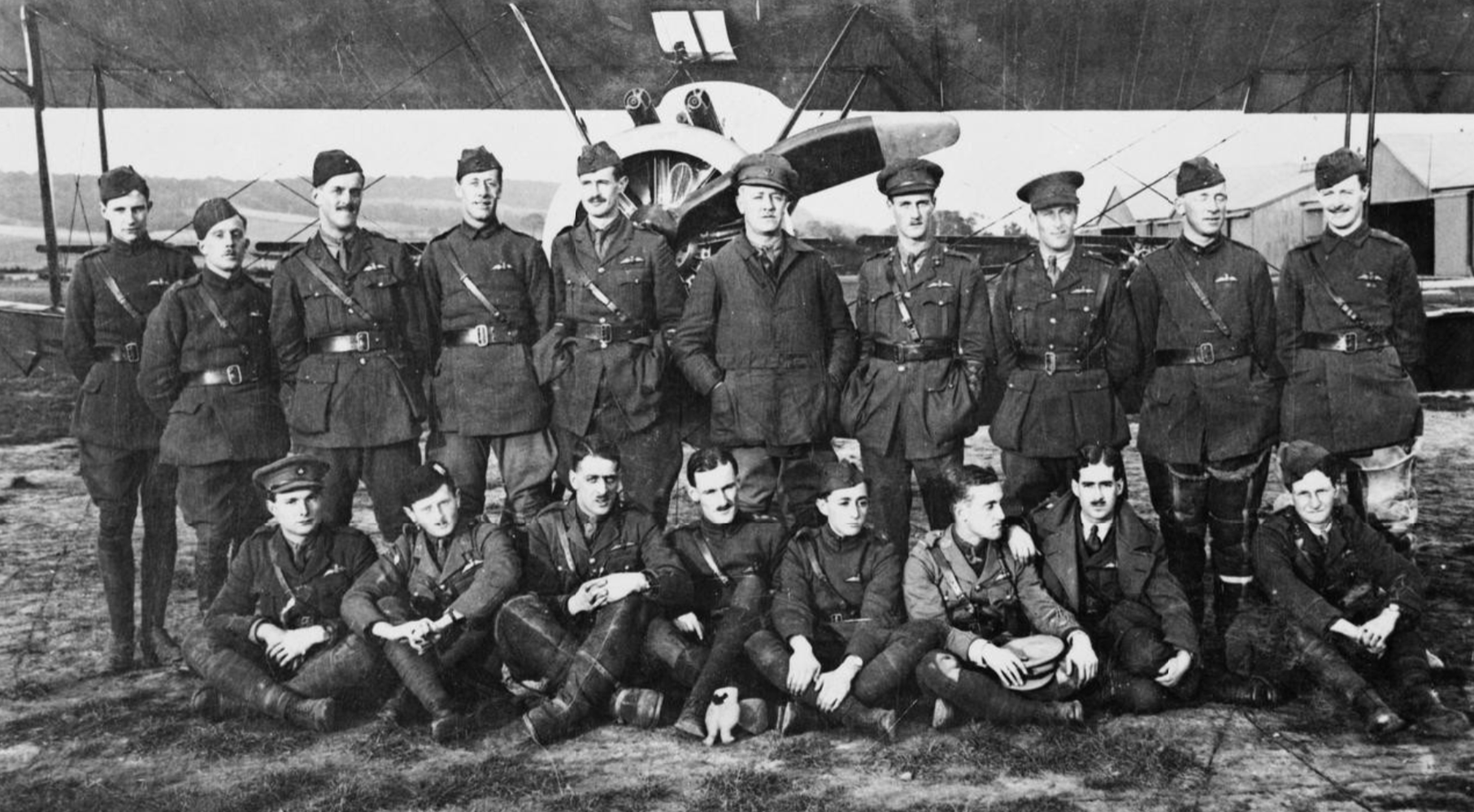
IWM: Q 67792
Arrangements are firming up for the Black Thursday 75th Anniversary commemorations at the Pathfinder Collection, RAF Wyton. There will be a considerable change to the existing display and some new storyboards.
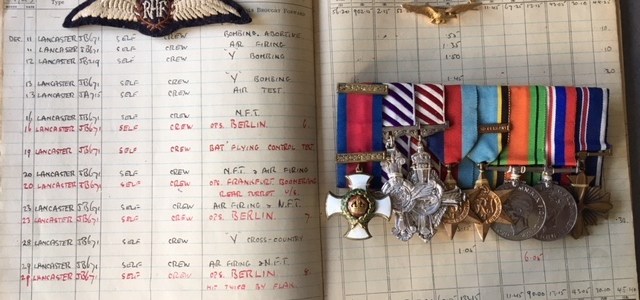
In addition, we are delighted that Charles Owen’s family have placed on loan his impressive set of medals, his logbook, pilot’s wings, and Pathfinder badge. Owen’s ops diary is held at the Imperial War Museum in London. The photo with this post shows the logbook open on the 16/17 December 1943 page.
There were only a limited number of places for the lunch and tour of the Collection on 16 December this year, and unfortunately these have all gone. However, if anyone wishes to attend the memorial service in the morning, probably to be held at 11 o’clock (we are not yet been able to confirm the timing due to complicated Station arrangements), please let us know.
Tomorrow is the anniversary of the Le Creusot op, one of the most daring of the war, when 94 Lancasters flew in formation across France to wreck the Schneider arms plant 170 miles south-east of Paris. One of those flying on the operation was Ernest Deverill.
 RAF PATHFINDERS ARCHIVE